

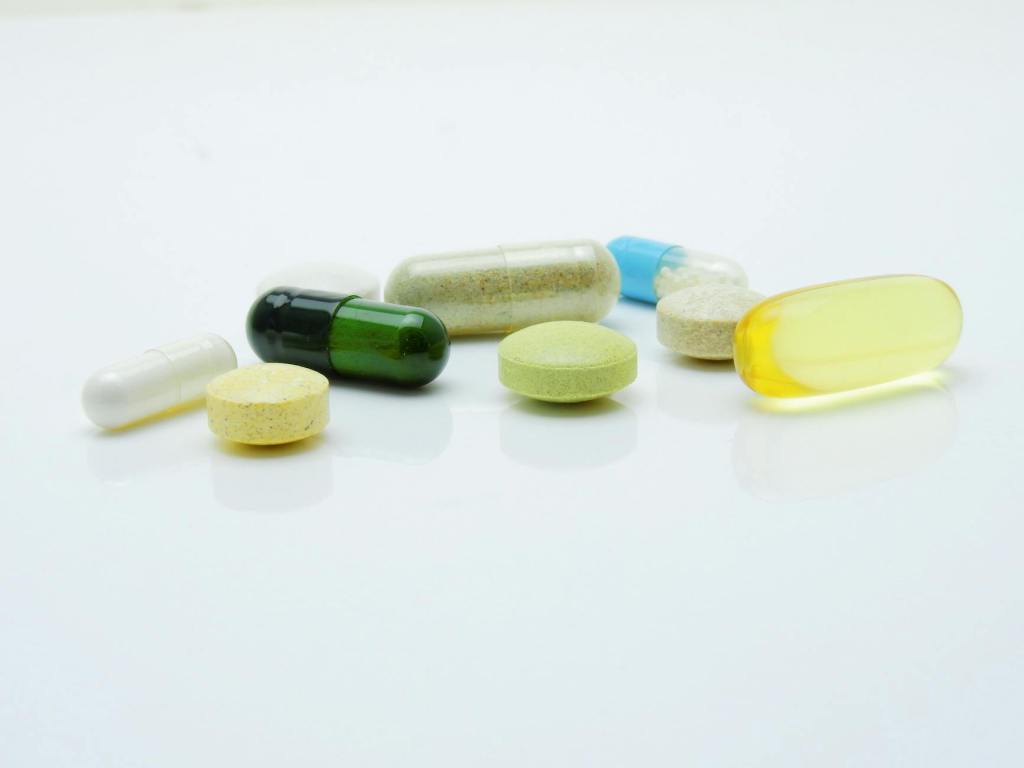
As the days shorten and the Irish skies turn grey, one vitamin becomes particularly important: Vitamin D. Often called the “sunshine vitamin,” it helps your body absorb calcium, keeps bones strong, supports muscle function and contributes to immune health, yet from late autumn to early spring, Ireland simply doesn’t get enough UVB sunlight for the skin to produce Vitamin D naturally. That means many people will see their levels drop just when they need them most.
Low Vitamin D can leave you feeling tired, run-down, or more prone to catching colds and flu issues that are all too common in winter. It can also quietly affect bone density over time, especially in older adults or those who spend long hours indoors. Fortunately, restoring healthy Vitamin D levels is simple once you know how. This guide explains why you need more Vitamin D in winter, how to recognise if your levels might be low, and the safest ways to increase your intake with advice from your local pharmacy team at Pharma Direct.
Why Do You Need More Vitamin D in Winter?
Sunlight is the body’s main source of Vitamin D. When UVB rays reach the skin, they trigger the production of cholecalciferol (Vitamin D₃), which the liver and kidneys convert into its active form. This natural process, however, all but stops between October and March in Ireland. The sun sits too low in the sky for its rays to be strong enough meaning even daily walks outdoors won’t provide the Vitamin D your body needs.
During these darker months, most people also spend longer indoors, wear more layers, and eat diets that include fewer Vitamin D-rich foods such as oily fish or fortified cereals. Combined, these factors make deficiency surprisingly common across the Irish population each winter.
The HSE now recommend that adults and children over the age of one take a daily supplement of 10 micrograms (400 IU) during the colder months to maintain healthy levels. This small step can have a wide-ranging impact on wellbeing, beyond supporting strong bones and teeth, research increasingly links adequate Vitamin D with:
- Immune defence: It helps regulate white-blood-cell activity, strengthening the body’s natural response to seasonal viruses and infections.
- Mood stability: Low Vitamin D has been associated with fatigue and seasonal mood changes, often referred to as the “winter slump.”
- Muscle function: It contributes to normal muscle performance, helping reduce the stiffness or weakness that many people feel in colder weather.
In short, when sunlight fades, a simple Vitamin D supplement can help sustain your energy, immunity, and overall health throughout the Irish winter.
How to Increase Your Vitamin D Intake in Winter?
1. Spend time outdoors when possible
Although winter sunlight won’t meet your full needs, it still supports overall wellbeing. Try to get outside around midday for 15–30 minutes when the weather allows. Combine it with light activity like walking to improve circulation and mood.
2. Eat foods naturally rich in Vitamin D
While food alone rarely supplies enough, it contributes to your base intake. Add:
- Oily fish (salmon, mackerel, sardines, trout)
- Eggs (particularly yolks)
- Fortified foods such as cereals, spreads, or plant milks
- Mushrooms exposed to UV light
These foods also provide valuable omega-3 fats, protein and micronutrients that support winter health.
3. Choose a quality supplement
For most adults, a daily supplement is the simplest way to maintain adequate Vitamin D levels. At Pharma Direct, we stock several trusted options chosen for their purity, absorbability, and ease of use:
- Vitabiotics Ultra Vitamin D – a one-a-day tablet delivering the recommended 25 µg (1000 IU) dose to support bones, muscles and immunity.
- One Nutrition Vitamin D3 + K2 Oral Spray – a convenient, fast-absorbing spray combining Vitamin D3 with Vitamin K2, which helps the body use calcium effectively.
- Vitabiotics Pregnacare Breast-Feeding – specially formulated for new mums, providing balanced post-natal nutrition including safe Vitamin D levels.
4. Know your dosage
Most adults only need 10–25 µg (400–1000 IU) daily in winter.
- Do not exceed 100 µg (4000 IU) per day unless your doctor advises otherwise.
- Children under 12 years and infants need smaller amounts (Your pharmacist can advise the correct product).
- If you take a multivitamin, check its label to avoid double-dosing.
5. Combine with balanced lifestyle habits
Supplements work best as part of an overall healthy routine:
- Eat a varied diet with adequate protein, calcium, and magnesium.
- Keep physically active to strengthen bones and muscles.
- Maintain good sleep hygiene and stress management both influences how nutrients are used in the body.
How to Know If You’re Low in Vitamin D?
Vitamin D deficiency can develop gradually, and its symptoms are often mistaken for general tiredness or stress. Still, there are a few signs worth watching for especially during the colder months when cold and flu symptoms are more common and your immune system is under extra pressure: –
- Persistent fatigue or low energy: You may feel constantly tired even after sleeping well.
- Frequent colds, flu or infections: A weaker immune response can make you more prone to catching cold and flu symptoms throughout winter.
- Muscle weakness or joint pain: Low Vitamin D levels can cause mild aches or stiffness, often in the lower back or legs.
- Low mood or irritability: Deficiency has been linked with seasonal mood changes or “winter blues.”
- Slow recovery from illness: If cold and flu symptoms or minor infections linger longer than usual, Vitamin D may be a contributing factor.
If you recognise several of these warning signs, speak with your pharmacist or GP. A simple blood test can confirm your Vitamin D levels, and your pharmacist can recommend suitable supplements or dosage adjustments to help restore balance safely and support your immunity through the cold and flu season.
Visit Pharma Direct to explore trusted Vitamin D supplements and expert pharmacy advice to help you stay strong through the cold and flu season. Keep your energy up, your immunity supported, and your wellbeing on track all winter.

 Pharmadirect.ie Blog
Leave a comment