

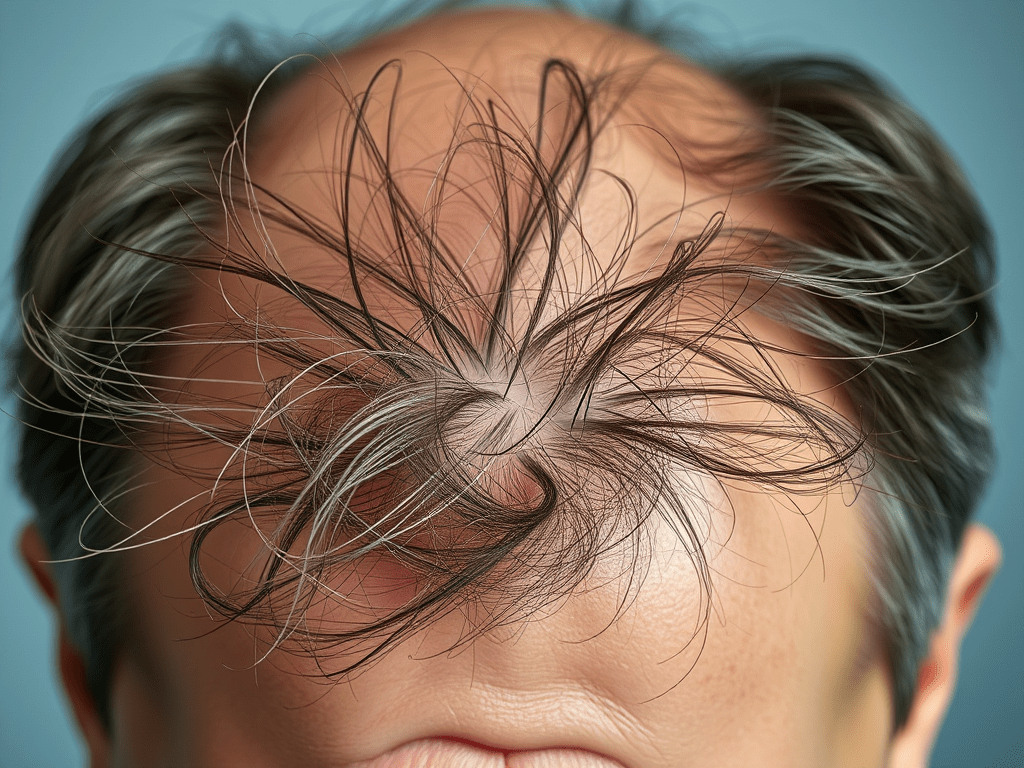
Thinning hair is a concern that affects men and women across different age groups. For some, it begins with subtle changes. The hairline may appear slightly softer. The parting may look wider under bright light. In other cases, overall density reduces gradually, creating what many describe as “transparent” or see-through hair.
Understanding why hair thinning occurs is essential before deciding on treatment. While cosmetic products may improve texture temporarily, medical and evidence-based approaches address the underlying hair cycle itself. For those exploring clinically supported options, trusted online pharmacies such as PharmaDirect provide access to regulated hair loss treatments and professional guidance, helping individuals make informed decisions about their scalp health.
What is Thinning Hair?
Hair thinning describes a gradual decrease in overall hair density across the scalp rather than sudden or excessive shedding. It typically develops over time, sometimes so subtly that the change is only noticed under bright light or when styling becomes more difficult.
In many cases, thinning is associated with follicle miniaturisation. This process causes hair follicles to progressively shrink, producing strands that are finer, shorter, and lighter in texture than before. As the diameter of each strand reduces, the scalp becomes more visible, particularly along the crown, temples, or parting line.
Early Signs of Hair Loss
Hair thinning is often more manageable when it is recognised early. Subtle changes can develop gradually, making them easy to overlook at first. Paying attention to these signs may allow for earlier intervention and better outcomes.
You may notice:
- Increased scalp visibility, particularly under bright lighting
- A widening part line or reduced density around the crown
- A thinner ponytail or decreased overall volume
- Slower regrowth following periods of shedding
- Individual strands that feel finer or weaker than before
These changes do not always indicate permanent hair loss. However, if they persist for several months or continue to progress, it may be advisable to explore targeted, evidence-based treatment options.
Common Causes of Hair Thinning
· Genetics and Ageing
The most common cause is androgenetic alopecia, a hereditary condition influenced by hormonal sensitivity. In men, this often presents as a receding hairline or crown thinning. In women, it more commonly appears as diffuse thinning across the top of the scalp with a widening part. As follicles progressively miniaturise, strands become finer and shorter. Ageing naturally compounds this process, as the growth phase of the hair cycle shortens over time.
· Hormonal Changes
Fluctuations in hormones can significantly affect the hair cycle. Pregnancy, childbirth, menopause, thyroid imbalance, and conditions such as polycystic ovary syndrome (PCOS) may trigger increased shedding or disrupt normal regrowth patterns. In many cases, hormonal thinning becomes noticeable several months after the initial change.
· Stress and Telogen Effluvium
Physical illness, surgery, significant weight loss, or emotional stress can push a higher proportion of hairs into the resting phase of the growth cycle. This condition, known as telogen effluvium, leads to diffuse shedding. Unlike hereditary thinning, it is often temporary once the underlying stressor resolves.
· Nutritional Deficiencies
Hair growth depends on adequate nutrients. Low levels of iron, vitamin D, zinc, or insufficient protein intake may compromise follicle function. Because hair is not essential for survival, the body prioritises vital organs during nutritional deficiency, which can result in reduced density.
· Medical Conditions and Treatments
Certain medical conditions can directly affect the scalp and hair follicles. Autoimmune disorders such as alopecia areata, fungal infections like ringworm, inflammatory scalp conditions including folliculitis, and thyroid disorders may all contribute to thinning or patchy loss. Medical treatments, particularly chemotherapy, are also well known to cause temporary hair loss by targeting rapidly dividing cells.
Treatments for Thinning Hair
1. Minoxidil
Minoxidil is one of the most extensively studied topical treatments for androgen-related hair thinning. It works by supporting blood flow to the scalp and prolonging the anagen, or growth, phase of the hair cycle. With consistent application, it may help increase hair shaft thickness and improve density over time.
For individuals seeking a clinically supported option, Regaine For Men Extra Strength 5% Minoxidil Foam – 12 Month Supply is a topical minoxidil foam is formulated for long-term use. Treatment requires consistency, and visible improvements may take three to six months you can explore a wider range of hair loss treatment and scalp health solutions to find options suited to different stages of thinning.
2. Nutritional Support
Hair growth depends on adequate nutrients. In some cases, supplementation may support overall hair health, particularly where dietary intake is insufficient. Products such as Viviscal Hair Growth Vitamins for Women – 180 Tablets are formulated to provide key nutrients that support normal hair growth from within.
3. Clinical Assessment

If thinning progresses rapidly or is accompanied by scalp irritation, inflammation, or sudden shedding, a professional evaluation may be advisable. The specialists at HRBR Hair Restoration Blackrock offer clinical assessments to determine the underlying cause of hair thinning and recommend appropriate treatment pathways.
How Does Minoxidil Help with Thinning Hair?
Minoxidil is one of the most widely studied and clinically supported treatments for hereditary hair thinning. It is commonly recommended for individuals experiencing gradual density reduction, visible scalp show-through, or early-stage androgenetic hair loss.
While results vary between individuals, consistent use may help slow progression and support thicker regrowth over time.
Minoxidil is a topical treatment applied directly to the scalp. Its primary action is to stimulate hair follicles and prolong the anagen, or growth, phase of the hair cycle. In cases of androgenetic hair thinning, follicles gradually miniaturise. This means they shrink and produce finer, shorter strands.
Minoxidil may help counteract this process by:
- Increasing blood flow to the scalp
- Enhancing oxygen and nutrient delivery to follicles
- Supporting follicle enlargement in early miniaturisation stages
- Extending the active growth phase of hair
By prolonging the anagen phase, more hairs remain in active growth for longer periods, which may improve visible density over time.
Who Should Consider Minoxidil?
Minoxidil is typically recommended for individuals experiencing:
- Early-stage thinning
- Hereditary hair loss (androgenetic alopecia)
- Increased scalp visibility
- Gradual reduction in hair density
- Thinning at the crown or widening part line
It is most effective when started early, before follicles become permanently inactive. Individuals unsure about the cause of their thinning may benefit from professional assessment before beginning treatment for those seeking a clinically supported option, Regaine For Men Extra Strength 5% Minoxidil Foam – 12 Month Supply is a topical minoxidil foam that is formulated for long-term use. This is available through trusted providers such as PharmaDirect.ie.
How Long Does Treatment Take to Work?
Hair grows slowly, on average, the scalp produces approximately one centimetre of growth per month. As a result, patience and consistency are essential when beginning any treatment for thinning hair with topical minoxidil, some individuals experience an initial shedding phase during the first few weeks. Visible improvement typically requires consistent use for at least three months, with more noticeable changes often observed after six months or longer. Maximum benefit may take up to twelve months in some individuals. It is also important to understand that treatments such as minoxidil work while they are being used. Discontinuing treatment may lead to a gradual return to previous density levels over time. For this reason, ongoing use is generally recommended to maintain results.
Explore evidence-based hair loss treatments at PharmaDirect, your trusted online pharmacy for regulated scalp and hair health solutions, and start supporting healthier, fuller-looking hair with confidence.

 Pharmadirect.ie Blog
Leave a comment